BIP-376: The Missing Piece for Silent Payments in Hardware Wallets
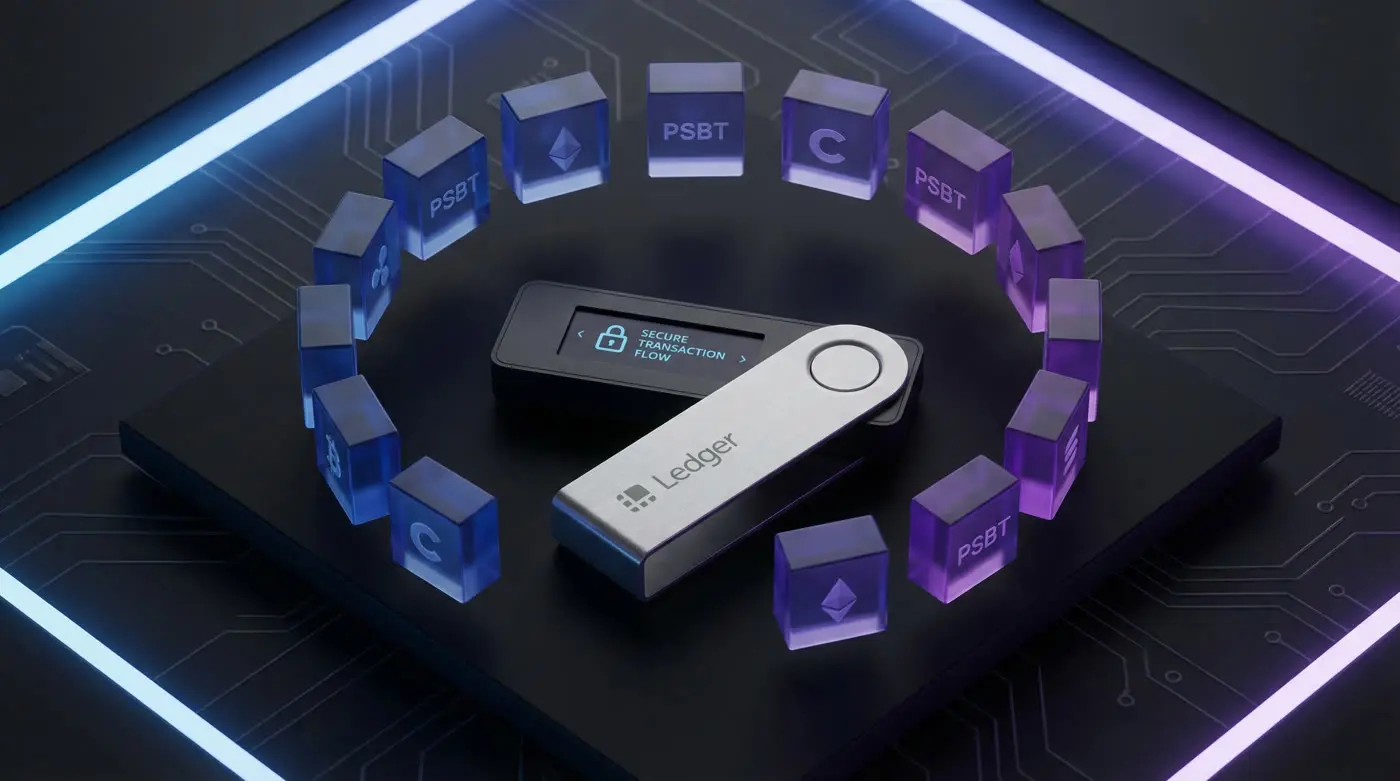
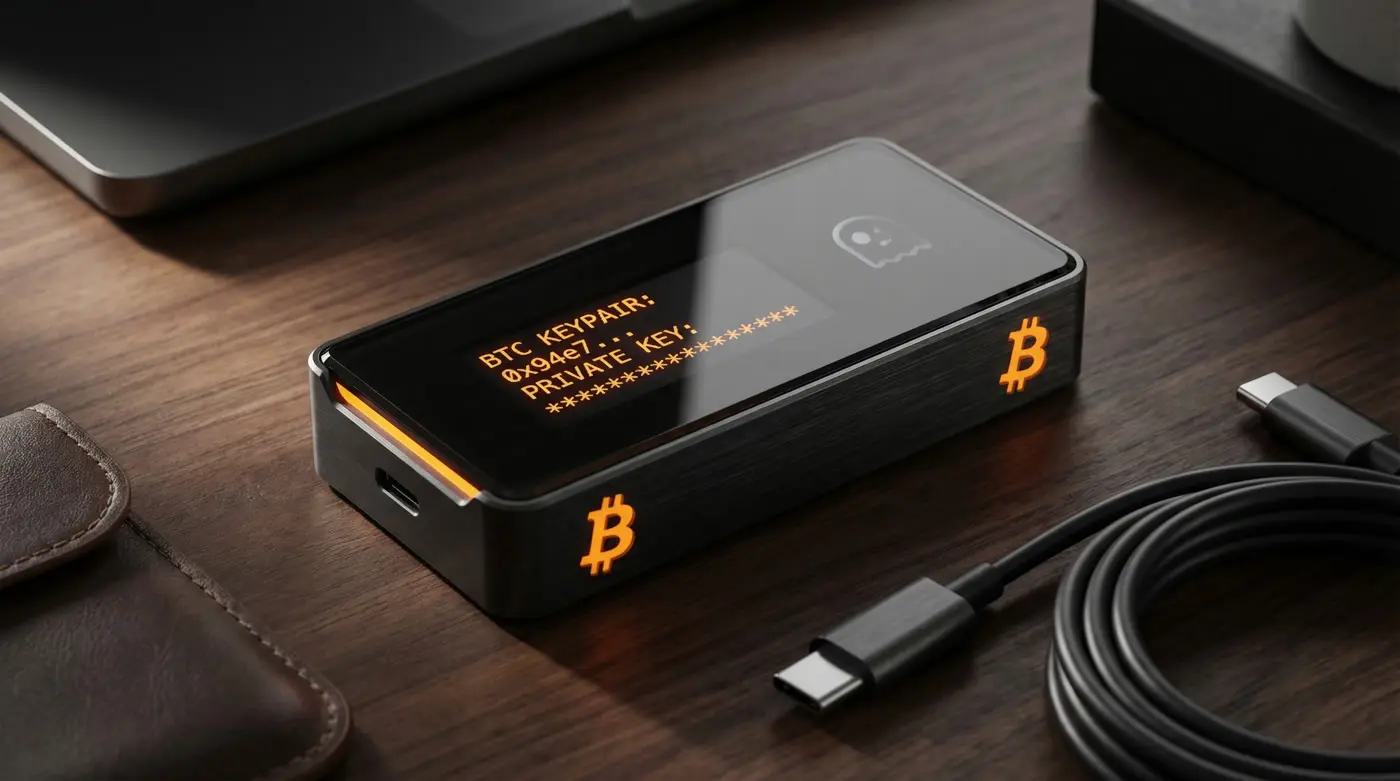
BIP-376 fills a critical gap in Bitcoin's Silent Payments infrastructure by defining how hardware wallets can safely spend Silent Payment outputs through standardized PSBT fields.
21 posts

BIP-376 fills a critical gap in Bitcoin's Silent Payments infrastructure by defining how hardware wallets can safely spend Silent Payment outputs through standardized PSBT fields.

Silent Payments offer Bitcoin users strong privacy without interactive coordination, but spending those outputs has been a wallet UX challenge. BIP376 defines how to spend silent payment outputs using PSBTs, closing a critical gap and enabling hardware wallet support.

Core Lightning creator Rusty Russell submitted two draft Bitcoin Improvement Proposals to restore script functionality disabled since 2010, re-enabling 15 opcodes and dramatically increasing stack limits using a novel 'varops budget' mechanism.

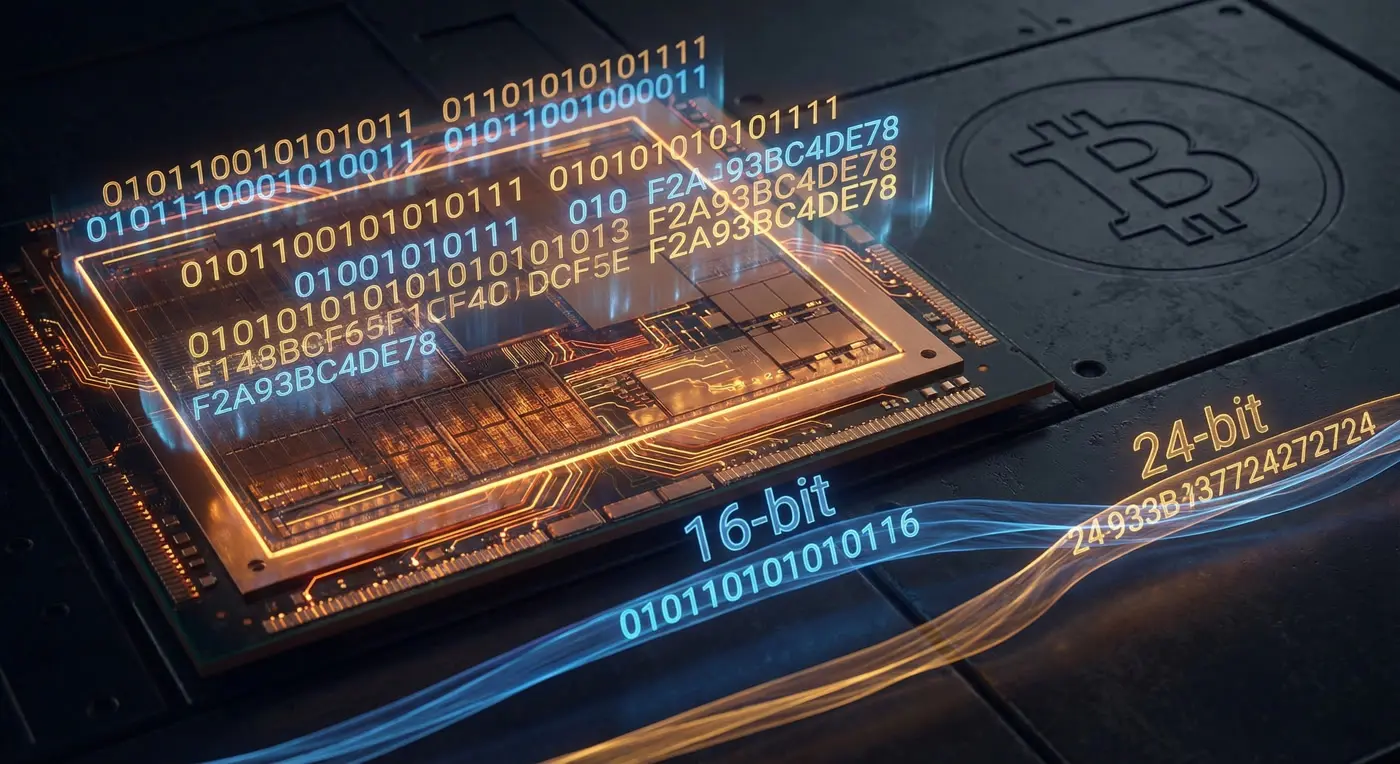
A new BIP draft proposes expanding mining nonce space from 16 bits to 24 bits in the block header's nVersion field. As ASIC hash rates continue to climb, modern mining hardware exhausts the 32-bit nonce in milliseconds, forcing miners to constantly update extraNonce in the coinbase. This proposal would reduce mining overhead and improve efficiency.

The Bitcoin Improvement Proposal for Silent Payment Output Script Descriptors has been merged, providing a standardized way for wallets to handle privacy-preserving static addresses.

BIP392, merged March 5th, defines output script descriptors for silent payments. The new sp() descriptor format provides a standardized way for wallets to represent silent payment outputs, enabling interoperability and backup/recovery using existing descriptor infrastructure.

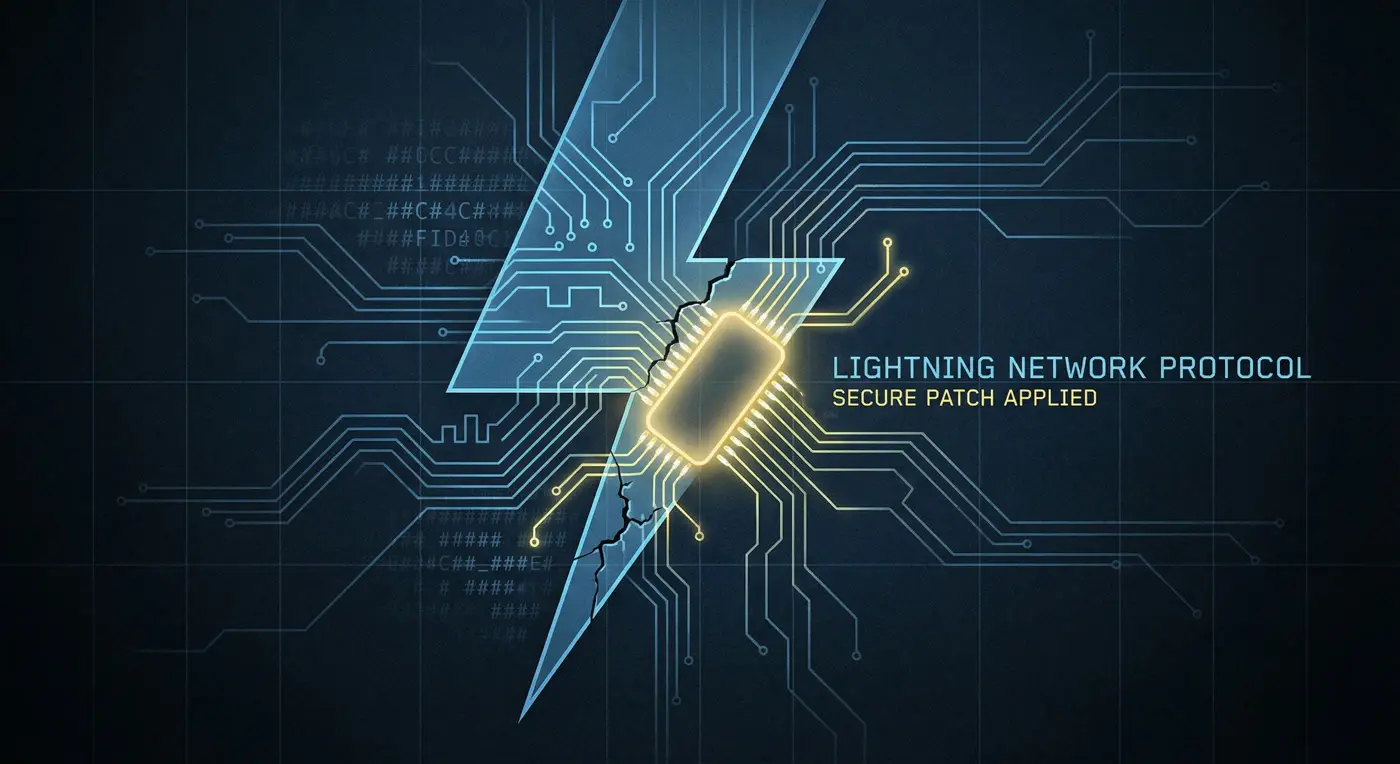
Core Lightning v25.12.1 patches a critical signing bug that left on-chain funds unspendable for nodes created with v25.12. Multiple crash fixes included. Upgrade recommended for all v25.12 users and anyone deploying new nodes.

BIP 110 just got a small technical update that tells a bigger story about how Bitcoin handles controversial proposals. When grassroots activism meets social consensus, here's what happens.

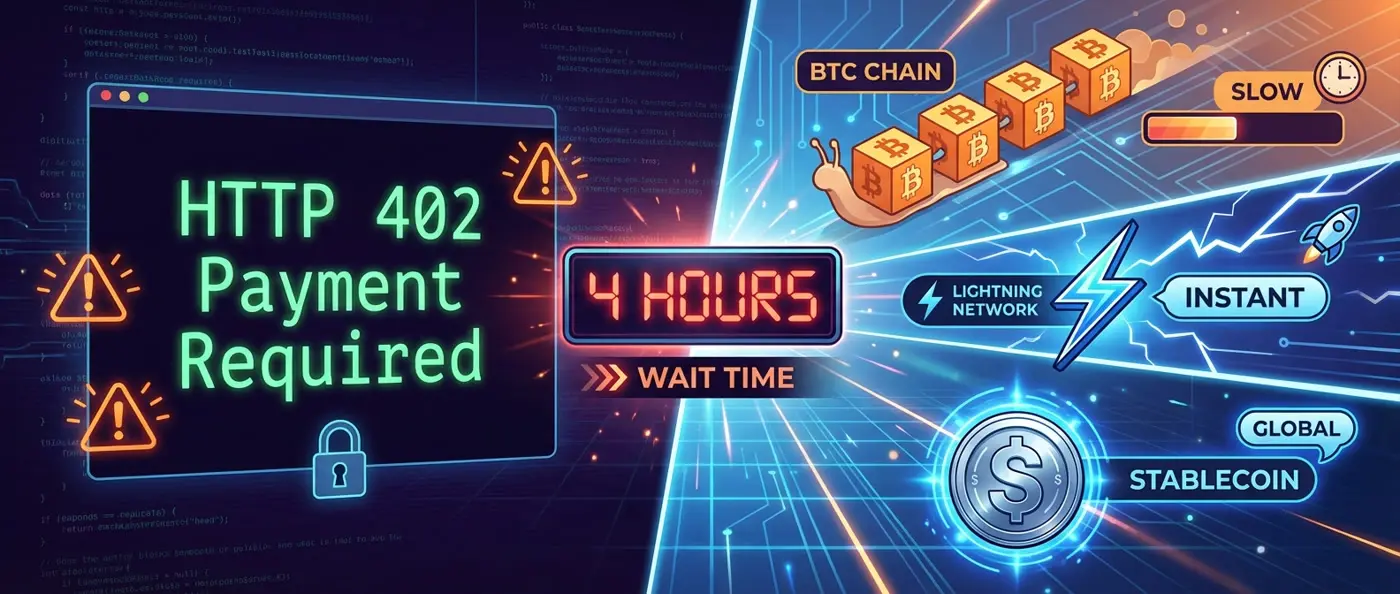
A Bitcoin Improvement Proposal for HTTP 402 payments was submitted and rejected within four hours. The story reveals why on-chain Bitcoin can't compete with Lightning and stablecoins for AI agent payments.

The emerging Bitcoin privacy protocol now caps recipient outputs at 2,323 per transaction, eliminating a scanning attack that could have delayed blocks by minutes.

Blockstream fixes signature verification bug that left bitcoin stuck in new Core Lightning nodes, plus payment crashes that shut down entire nodes

Jameson Lopp's proposal to force a mandatory migration away from ECDSA and Schnorr signatures just got its official BIP number. It includes a hard deadline to freeze un-migrated coins. The community is not happy.

Ocean mining pool fires the opening shot in Bitcoin's identity crisis, mining the first block supporting BIP-110, a controversial soft fork that could ban NFTs or split the network trying.

Core Lightning's attempt to modernize with 12-word mnemonics hit a critical bug that locked users out of their funds. The team fixed it in three days. Here's what happened and why it matters.

A newly standardized format for timelock-recovery plans lets Bitcoin users create pre-signed inheritance transactions with cancellation windows. Works with standard wallets today, no covenant soft forks required.

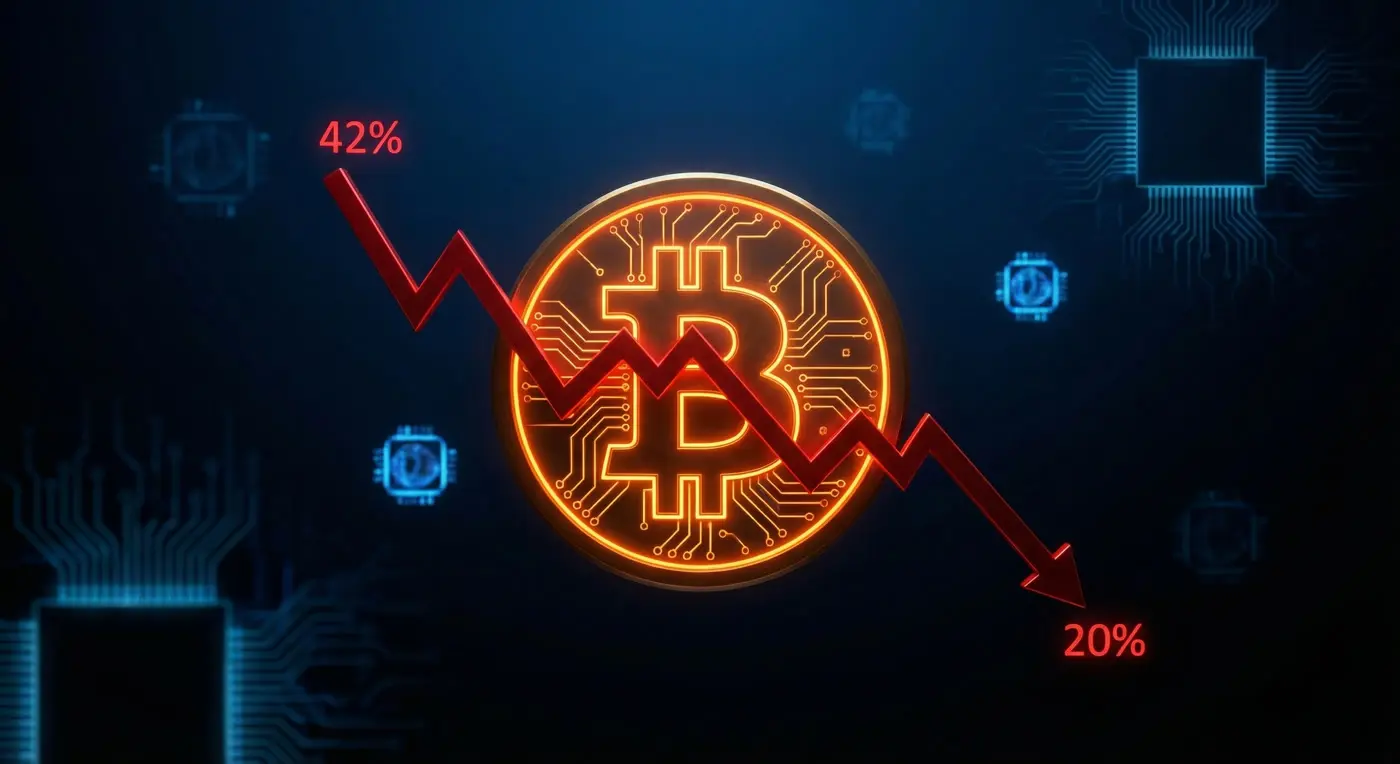
Bitcoin's Taproot upgrade promised privacy and efficiency, but adoption has collapsed from 42% in 2024 to just 20% in 2025. Quantum fears and the Ordinals hangover are driving users back to older formats.

Bitcoin nodes can now encrypt their connections by default, shielding transaction relay from ISP surveillance — but most users don't even know it exists.

Nearly $440 billion in Bitcoin sits in vulnerable wallets that quantum computers could crack. The question isn't if quantum attackers will come. It's whether Bitcoin will freeze the coins first.

The DOJ killed coinjoin in 2024. But Bitcoin privacy didn't die. It evolved. Silent Payments are the post-coinjoin privacy tool, and wallets are finally adopting them.

BIP 360 just made quantum resistance part of Bitcoin's official upgrade conversation. Here's what that means, and a clear-eyed look at everything else moving in Bitcoin development in 2026.

Quantum fears have entered crypto market narratives in early 2026, with ETF outflows and institutional risk assessments starting to mention quantum computing. But the actual technical picture is far more nuanced.